
Overview of Common and Proper Noun Worksheets
These PDFs provide interactive practice for students to differentiate common and proper nouns, complete with instant answer keys․ They feature varied difficulty, clear examples, and printable formats that support classroom and remote learning Quick review now!
Purpose and Learning Outcomes
These downloadable worksheets are designed to reinforce students’ understanding of the distinction between common and proper nouns, a foundational grammar skill that underpins reading comprehension, writing precision, and critical thinking․ By engaging with structured activities that present sentences, fill‑in‑the‑blank prompts, and classification charts, learners practice identifying nouns that refer to general categories (e․g․, “city,” “book”) versus those that denote specific entities (e․g․, “Paris,” “Harry Potter”)․ The inclusion of an answer key allows for immediate self‑assessment, encouraging metacognitive reflection on why a particular noun is classified as common or proper․ Educators can use the results to tailor follow‑up instruction, address misconceptions, and scaffold more advanced tasks such as compound noun analysis or contextual capitalization rules․ In a broader curriculum context, mastering noun classification supports vocabulary expansion, sentence diagramming, and the development of precise language use in both oral and written communication․ The worksheets also serve as formative assessment tools that align with Common Core standards for English Language Arts, ensuring that students can demonstrate proficiency in identifying and using nouns correctly across diverse texts․ This tool supports every students!

Key Worksheet Activity Types
Students tackle sentence‑scramble, fill‑in‑blank, and matching games that highlight common versus proper nouns․ Each activity includes feedback via an answer key enabling selfassessment and teacher review․ These tasks build confidence fully right grammatical precision․
Identification and Classification Tasks
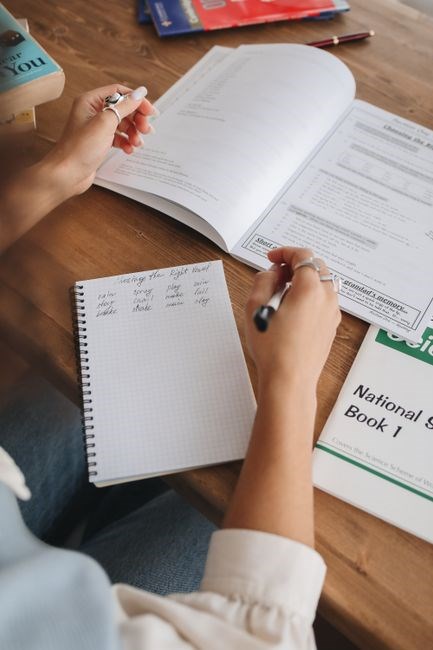
These worksheets present sentences and word lists where learners must spot common nouns and classify them as singular, plural, or compound․ Each task includes a column for the noun, a column for its category, and a brief definition․ For example, “dog” is a common singular noun, while “New York City” is a proper plural noun․ Students drag or type the answer into the designated space, then check against the instant answer key that explains the reasoning․ The tasks are grouped by difficulty: beginner, intermediate, and advanced, allowing teachers to scaffold learning․ Visual cues such as color‑coding (blue for common, green for proper) help reinforce the distinction․ The answer key is formatted with bolded correct answers and explanatory notes that clarify why a noun is classified as such․ This structure supports self‑assessment and peer review, encouraging students to discuss their choices and correct misconceptions․ Teachers can export the PDF to a learning management system or print it for classroom use․ The design follows accessibility guidelines, ensuring that the text is readable for screen readers and that color contrasts meet WCAG standards․ By repeatedly identifying and classifying nouns, students build a solid foundation for grammatical accuracy and effective communication․ Students share work in discussions deepen understanding․

Common Noun Worksheet Features
These PDFs showcase clear examples, color‑coded nouns, drag‑and‑drop sections, and instant answer keys․ They include singular, plural, and compound nouns, with definitions usage tips, supporting diverse learning styles․ Print or share now․
Examples of Simple and Compound Nouns
Common‑noun worksheets feature clear lists of simple nouns—single words like teacher, city, or apple—and compound nouns that combine two words, such as school bus, coffee mug, or blackboard․ Students identify and underline each noun, then classify it as simple or compound․ A typical sentence might read: “The school bus stopped at the blackboard․” Learners note that bus and board are simple nouns when isolated․ Additional examples include fire truck, ice cream, toothbrush, rainbow, newspaper, backpack, handshake, football, birthday cake, and computer mouse․ The answer key lists each noun, its type, and a brief definition, providing immediate feedback and reinforcing recognition of both simple and compound forms․
Teachers often adapt these worksheets by inserting context‑rich sentences or images, allowing students to practice noun identification in varied settings․ Digital versions can include drag‑and‑drop that automatically check accuracy, enhancing engagement and reinforcing learning outcomes․ Such help students recognize noun categories quickly․ everywhere․

Proper Noun Worksheet Features
Proper noun worksheets emphasize capitalization rules, include names of people, places, brands, and events․ They feature fill‑in blanks, matching, and sentence creation tasks․ Answers highlight correct uppercase usage and explain non‑standard nouns names here!!!!
Capitalization and Non-Standard Proper Nouns
Proper nouns demand precise capitalization, yet many learners struggle with exceptions such as non‑standard names, brand terms, and cultural references․ Worksheets that focus on this nuance typically present sentences where students must decide whether to capitalize a word, identify the rule that applies, and then justify their choice․ For example, a phrase like “the new iPhone 15” requires capitalization of the product name but not of the generic term “new․” Likewise, “the United Nations” is always capitalized, whereas “the united nations” is incorrect․ Worksheets often include a mix of straightforward cases—city names, personal names, and titles—and more challenging ones, such as “the word ‘i’ in iPhone” or “the brand name ‘eBay’ in a sentence․” These tasks help students recognize that capitalization is not merely a stylistic choice but a grammatical indicator of specificity․
Non‑standard proper nouns—those that are not traditionally capitalized in standard English but are treated as proper in certain contexts—pose a unique challenge․ Examples include “the new yorker” as a magazine title, “the i‑phone” as a product line, or “the e‑mail system” as a technical term․ Worksheets that address these cases often ask students to transform a sentence from informal to formal register, ensuring that the non‑standard noun is capitalized appropriately․ They also encourage learners to research the origin of the term, fostering a deeper understanding of why a particular word is treated as a proper noun․ By incorporating these elements, worksheets provide a comprehensive approach that covers both conventional capitalization rules and the evolving landscape of proper nouns in contemporary usage․
Teachers can embed these worksheets in digital platforms, allowing students to receive instant feedback and track progress over time․ By incorporating visual cues, such as color capitalization hints, learners can quickly identify patterns and apply rules consistently․ Additionally, teachers may pair worksheets with explanatory videos or quizzes to reinforce concepts, address misconceptions․ and practice․!

Answer Key Construction
Answer keys should be concise, listing correct nouns with brief explanations․ Use a consistent format: item number, noun, and justification․ Include a summary section that highlights common mistakes and tips for future practice․ Ensure keys are printable and PDF‑ready․
Formatting and Explanatory Notes
When compiling answer keys for common and proper noun worksheets, clarity and consistency are paramount․ Begin each key with a numbered list that mirrors the worksheet’s question order․ For every item, provide the correct noun, followed by a brief explanatory note that justifies why it is classified as common or proper․ Use concise language—ideally one to two sentences—to keep the key readable for both teachers and students․ Highlight common pitfalls, such as confusing “city” with “Paris” or “dog” with “Rover․” Include a short “Key Concepts” section that summarizes the grammatical rules applied, such as capitalization for proper nouns and the use of generic terms for common nouns․ To aid visual learners, consider adding color coding: green for correct answers, red for errors, and blue for partially correct responses․ Ensure the key is formatted for easy printing: use a clean font like Arial or Times New Roman, 12‑point size, and a single‑column layout․ Finally, embed a QR code or hyperlink that directs users to an online resource for further practice, ensuring the key remains a living document that can be updated as curricula evolve․ Teachers can also use these keys to create formative quizzes, track student progress, and adjust instruction based on common misconceptions․ For all learners, daily․!

Free PDF Resources
Here are top sites offering free printable worksheets on common and proper nouns, complete with answer keys․ Download from TeachersPayTeachers, Education․com, and OpenStax․ Use these PDFs for quick, cost‑free practice in any classroom
Trusted Educational Websites and Marketplaces
When searching for free or low‑cost worksheets that include answer keys, several reputable platforms consistently deliver high‑quality, curriculum‑aligned resources․ TeachersPayTeachers hosts a vast library of peer‑reviewed materials; educators can filter by grade level, subject, and cost, ensuring that each PDF meets specific learning objectives․ The OpenStax website offers open‑access textbooks and supplemental worksheets, many of which are downloadable as PDFs and come with detailed answer sheets․ Education․com provides a curated collection of printable activities, complete with teacher notes and suggested extensions․ Scholastic’s “Teach” portal features a selection of vetted worksheets that align with Common Core standards, and the accompanying answer keys are formatted for quick grading․ The National Council of Teachers of English (NCTE) offers a repository of vetted lesson plans and worksheets that include proper noun practice, with downloadable PDFs and answer keys․ Finally, the Khan Academy’s supplemental resources include the platform’s community forums, which often share PDFs with answer keys for common and proper noun drills․ Each of these sites prioritizes accessibility, clear formatting, and alignment with state standards, making them reliable choices for teachers seeking materials more
Customization for Diverse Learners
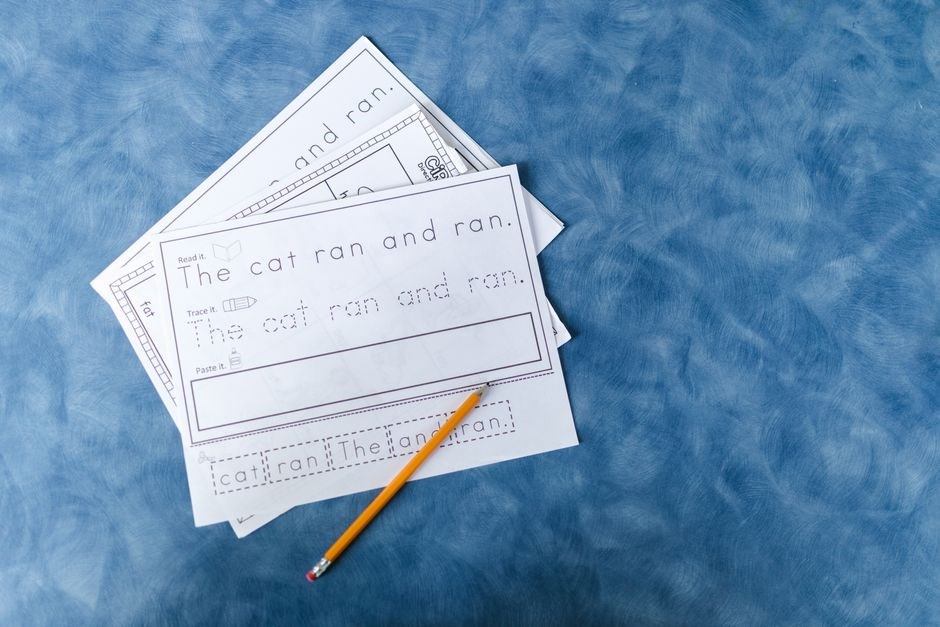
Adapt worksheets by offering tiered questions, visual cues․ Use color‑coded nouns, adjustable font sizes, and bilingual glossaries to support ELLs and students with dyslexia․ Provide instant answer keys for self‑assessment․!
Difficulty Levels and Accessibility Options
Teachers can customize worksheets to match learner levels by adjusting sentence length, noun complexity, and visual cues․ Beginners receive short, clear sentences with single‑word nouns and bold labels that highlight common versus proper nouns․ Intermediate tasks introduce compound nouns and possessive forms, while advanced activities use contextual clues and sentence‑scramble puzzles to deepen understanding․
Accessibility features are woven throughout the worksheets․ High‑contrast color schemes, adjustable font sizes, and dyslexia‑friendly typefaces enhance readability․ Screen‑reader compatible PDFs include alternative text for images․ Large‑print versions and printable PDFs allow teachers to adapt materials to visual or print‑based preferences․
Answer keys are formatted for clarity, listing correct nouns with brief explanations․ Teachers can use these keys for instant grading or as discussion prompts․ The PDFs are lightweight, making them easy to download and share․ By integrating these worksheets into lesson plans, educators foster critical thinking while ensuring every student can identify and classify nouns accurately․ These resources are fully downloadable and can be integrated into any digital classroom platform, supporting both synchronous and asynchronous learning environments․ Licensed BY 4․0 for users!

Digital Integration
These PDFs integrate seamlessly with LMSs, allowing teachers to embed worksheets, track student progress, and auto-grade responses․ Compatible with Google Classroom, Canvas, and Moodle, they support realtime analytics and adaptive feedback for personalizedlearning
LMS Compatibility and Progress Tracking
Teachers can upload the PDF worksheets directly to popular learning management systems such as Canvas, Moodle, Google Classroom, and Schoology․ Once embedded, the documents become interactive modules that record student responses in real time․ The built‑in analytics engine extracts completion rates, accuracy percentages, and time‑on‑task metrics, allowing educators to pinpoint misconceptions and adjust instruction accordingly․ For instance, a student who consistently misidentifies proper nouns can be flagged for targeted intervention․ The system supports both manual grading and automated scoring via embedded answer keys, ensuring quick turnaround for formative assessment․ Moreover, the platform’s API enables seamless data export to spreadsheets or third‑party analytics tools, facilitating longitudinal tracking of language proficiency growth․ Accessibility features such as screen‑reader compatibility, high‑contrast mode, and adjustable font sizes ensure that all learners can engage with the material․ Finally, the integration with gradebooks streamlines reporting, so instructors can consolidate worksheet performance with overall course grades without manual entry․ Educators can export detailed CSV or PDF reports, enabling comparisons and conferences․ Worksheets support multilingual glossaries, ensuring for all kids inclusivity!!

Best Classroom Practices
Use PDF worksheets to spark group discussions on noun types, then have students peer‑review answers, highlighting proper noun usage․ This cycle builds confidence, reinforces rules, and deepens understanding of common vs proper nouns․
Assessment Strategies and Peer Review
Finally, schedule a session where students write a paragraph using noun types correctly, both drafts, and exchange feedback!․