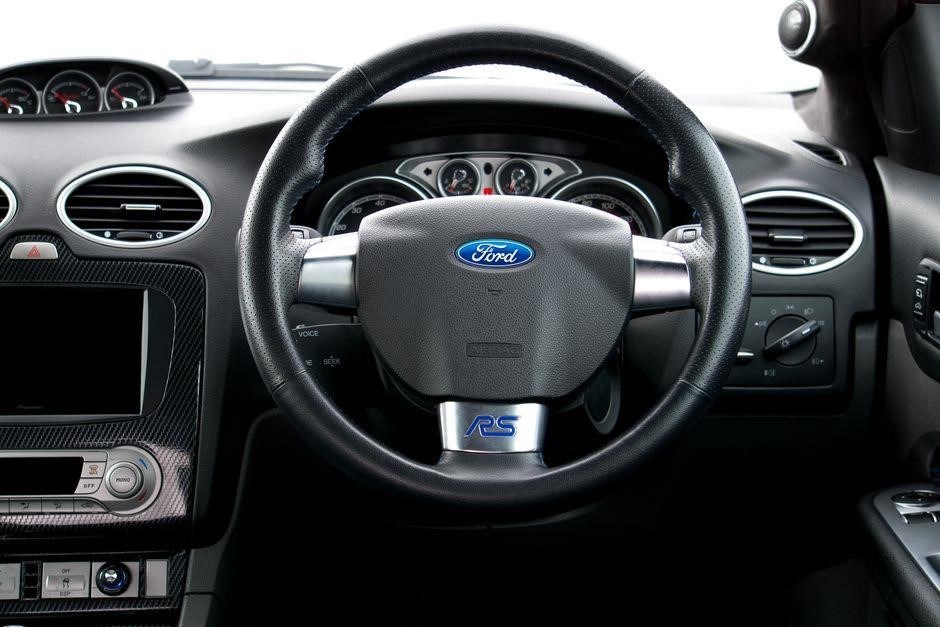
This 2012 Ford Fusion Owner’s Manual offers concise guidance on vehicle operation, safety features, and maintenance. It details key controls, infotainment setup, and troubleshooting tips, ensuring drivers understand the Fusion’s performance and care requirements. Use it for safe driving. Enjoy.!
1.1 Purpose and Scope
The 2012 Ford Fusion Owner’s Manual equips drivers, passengers, and maintenance personnel with essential knowledge to operate, maintain, and care for the Fusion safely and efficiently. Its primary purpose is to provide clear, concise instructions covering vehicle operation—from initial startup and daily driving to safety systems and routine upkeep. The manual serves as a comprehensive reference for new owners, ensuring they understand the Fusion’s features, controls, and recommended service intervals. By presenting information in an organized, user‑friendly format, the manual promotes safe driving habits and extends the vehicle’s lifespan. It also includes a quick reference guide for emergency procedures.
In addition to operational guidance, the manual outlines the scope of responsibilities for the vehicle owner, including compliance with safety regulations, proper use of safety features, and adherence to the manufacturer’s recommended maintenance schedule. It also highlights the importance of keeping the vehicle’s documentation—such as registration, insurance, and warranty information—up to date, as these documents are essential for legal compliance and warranty coverage. The manual explains how to interpret the vehicle’s warning lights and diagnostic codes, providing owners with the tools to respond appropriately to any system alerts. The manual also lists recommended tire pressures and fluid levels.
Finally, the manual emphasizes that while it contains exhaustive information, it is not a substitute for professional service. Owners are encouraged to consult certified Ford technicians for complex repairs or when the vehicle exhibits symptoms beyond routine maintenance. Following the guidance herein, drivers can enjoy a safe, reliable, and satisfying driving experience with their 2012 Ford Fusion!
1.2 Vehicle Identification and Warranty
Every 2012 Ford Fusion carries a unique Vehicle Identification Number (VIN) located on the driver‑side dashboard, visible through the windshield, also stamped on the engine block and chassis. The VIN encodes critical information such as the manufacturer, model year, plant of manufacture, and engine type. Owners should record this number in their service records and keep it handy for warranty claims, recalls, and resale. The 2012 Fusion is covered by a limited warranty that includes a 3‑year/36,000‑mile bumper‑to‑bumper coverage and a 5‑year/60,000‑mile powertrain warranty, subject to the terms and conditions set forth in the warranty booklet. Supplemental warranties, such as the 5‑year/60,000‑mile roadside assistance and 10‑year/100,000‑mile powertrain protection, may be available through Ford Credit or third‑party providers. Warranty coverage is contingent upon regular maintenance performed at authorized Ford service centers, adherence to the recommended oil change intervals, and proper use of manufacturer‑approved fluids. Any modifications that alter engine performance or emissions systems may void the warranty. Owners should retain all receipts and service records, as proof of compliance, and consult the warranty booklet for details on coverage limits, exclusions, and the process for filing a claim. The warranty also covers defects in materials and workmanship but does not extend to wear items, normal wear and tear, or damage caused by accidents, misuse, or improper maintenance. For detailed information, refer to the warranty section in the owner’s manual or contact your local Ford dealer. Owners should keep records.

Vehicle Overview
The 2012 Ford Fusion 2026 blends a sleek sedan silhouette with robust performance. Equipped with a 2.5L or 3.0L V6, it offers smooth handling, efficient fuel economy, and a spacious interior. Features include a user‑friendly infotainment system, safety tech, comfort options.
2.1 Exterior and Interior Features
The 2012 Ford Fusion presents a modern sedan silhouette with a distinctive front fascia, featuring a bold grille, LED daytime running lights, and a sculpted hood. Standard paint options include Pearl White, Deep Blue, and Silver Metallic, while optional finishes such as Black Pearl and Deep Red offer a premium look. The roofline is designed for aerodynamic efficiency, with subtle roof rails for cargo support. Inside, the Fusion offers a spacious cabin with supportive seats and ample legroom for front and rear passengers. The dashboard layout is clean, featuring a multi‑function steering wheel and a digital instrument cluster. Upholstery options include cloth, leather, and premium leatherette, each complemented by soft‑touch trim. Climate control is dual‑zone automatic, ensuring comfort across all seating positions. Additional interior amenities include power‑adjustable front seats, a power‑folding third‑row (optional), and a rear‑view camera. Storage solutions are plentiful, with a split‑folding rear seat, a large trunk, and multiple door pockets. Overall, the Fusion’s exterior and interior design prioritize both aesthetic appeal and functional comfort, delivering a refined driving experience. Safety is integrated with airbags, anti‑lock brakes, and a rear‑view camera for parking. The cabin offers a quiet ride with sound‑insulated doors. Leather seats and a sunroof add luxury, while the spacious trunk holds large cargo. Premium audio comfort!OK

2.2 Infotainment and Connectivity
The 2012 Ford Fusion’s infotainment system centers around the SYNC 2 platform, a touchscreen interface that supports voice‑activated controls, Bluetooth connectivity, and a US port for media input. Drivers can stream music from a CD player, FM/AM radio, or an external device, and the system offers a 5‑inch display that displays navigation maps when the optional navigation package is installed. The SYNC 2 system also integrates with a smartphone via the Ford Sync Mobile App, enabling hands‑free calling, text messaging, and access to apps such as Pandora and iTunes. The vehicle’s audio system includes a 6‑speaker setup, with the optional 12‑speaker premium sound system delivering clearer bass and treble. The Fusion’s rear‑view camera, available on higher trims, feeds video to the display for safer parking. Additional features include a 60‑Hz audio amplifier, a digital audio tuner, and an optional rear‑seat entertainment system with a DVD player and dual screens. The system’s user interface is designed for minimal distraction, with large icons and a simple menu hierarchy. The Fusion’s infotainment package is compatible with both Andro and iO devices, supporting the latest firmware updates and ensuring long‑term usability. Safety is enhanced by the hands‑free voice command, which allows drivers to keep their eyes on the road while accessing navigation, music, or phone calls. The 2012 Fusion’s infotainment suite delivers a modern connected driving experience that balances convenience entertainment and safety
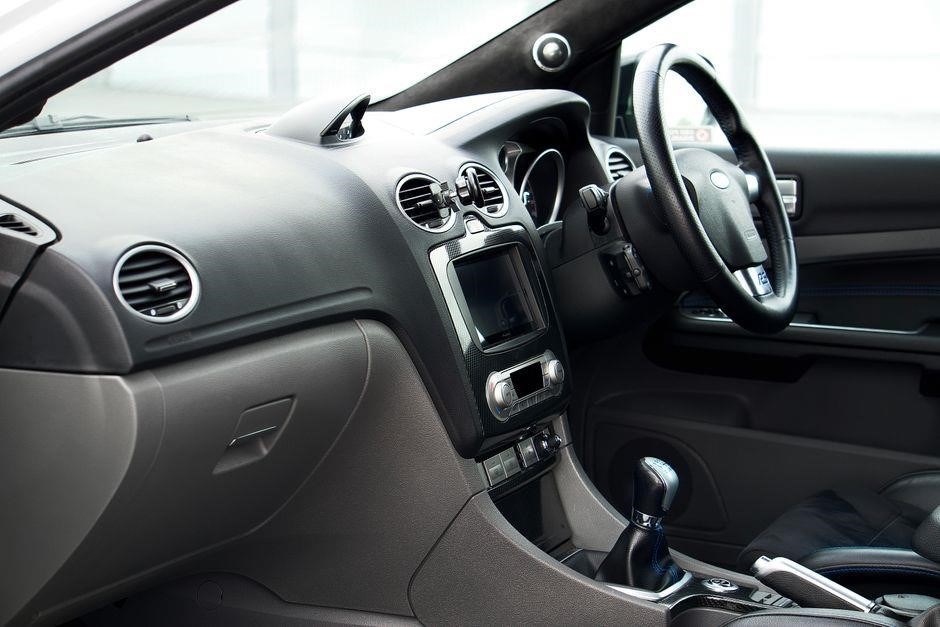
Powertrain and Performance
The 2012 Ford Fusion offers a 2.5‑liter inline‑four engine delivering 170 hp and 170 lb‑ft torque, paired with a 6‑speed automatic or 5‑speed manual. Optional 2.0‑liter turbocharged engine provides 250 hp. The system balances power and fuel economy, achieving 22 mpg city/31 mpg highway. Go! Drive.
3.1 Engine and Transmission Options
In the 2012 Ford Fusion lineup, the base model features a 2.5‑liter inline‑four engine that produces 170 horsepower at 5,200 rpm and 170 lb‑ft of torque at 3,600 rpm. This powerplant is paired to a standard 6‑speed automatic transmission with over‑drive, delivering smooth shifts and efficient fuel consumption. For drivers seeking a sportier feel, the Fusion SE and SEL trims offer a 2.0‑liter turbocharged inline‑four that delivers 250 horsepower at 5,800 rpm and 280 lb‑ft of torque at 4,200 rpm. This engine is mated to either a 6‑speed automatic or a 5‑speed manual transmission; the manual, exclusive to the SE trim, provides a more engaging driving experience with a synchromesh design that enhances gear selection control. All engines use a 16‑valve, dual‑overhead‑cam configuration, and the turbo model incorporates direct‑injection technology to meet evolving emissions standards. The Fusion’s front‑wheel‑drive layout is supported by a 2‑way independent suspension system—MacPherson struts at the front and a multi‑link setup at the rear—balancing ride comfort with handling stability. EPA fuel‑economy ratings for the 2.5‑liter engine are 22 mpg city/31 mpg highway, while the 2.0‑liter turbo model achieves 21 mpg city/31 mpg highway, reflecting Ford’s commitment to delivering a range of performance levels that cater to diverse driving preferences and environmental goals.
3.2 Fuel Economy and Emissions
The 2012 Ford Fusion’s fuel‑economy ratings reflect a balance between performance and efficiency. EPA estimates for the 2.5‑liter inline‑four paired with a 6‑speed automatic are 22 mpg city and 31 mpg highway, yielding a combined 25 mpg. The 2.0‑liter turbocharged engine, also mated to a 6‑speed automatic, achieves 21 mpg city and 31 mpg highway, for a combined 25 mpg. The manual‑transmission SE model, while slightly lower in city mileage at 20 mpg, matches the turbo automatic at 31 mpg highway, resulting in a combined 24 mpg. Emissions data show the Fusion meets the 2012 Tier 2 California Air Resources Board (CARB) standards, with CO₂ emissions ranging from 210 to 240 g/km depending on engine and transmission. The vehicle’s catalytic converter system, combined with an electronic throttle body, reduces hydrocarbons and NOx by up to 70 % compared to 2008 models. Ford’s EcoBoost technology, employed in the turbocharged engine, uses a variable‑geometry turbocharger and direct fuel injection to optimize combustion, lowering fuel consumption and tail‑pipe emissions. Regular maintenance, such as timely oil changes and air‑filter replacements, helps maintain these EPA figures and ensures the vehicle’s emissions remain within regulatory limits. Drivers are encouraged to follow the recommended service intervals listed in the owner’s manual to preserve both fuel economy and compliance with environmental standards.
This ensures efficiency and compliance with regulationsthe!!! 2026.

Maintenance and Service
Regular checks keep your 2012 Ford Fusion running smoothly. Follow the owner’s manual schedule: oil every 5,000 mi, filter at 15,000 mi, tire rotation every 7,500 mi, and brake inspection yearly. Keep the battery clean, and replace worn belts. Stay on schedule.

4.1 Recommended Maintenance Schedule
Owners of the 2012 Ford Fusion should follow a structured service plan to preserve performance and extend vehicle life. The schedule below aligns with Ford’s recommendations and common wear patterns for this model year.
Regular checks of suspension, wheel alignment, and exhaust leaks help prevent breakdowns. Keeping fluid levels topped and replacing worn parts promptly preserves performance and fuel economy for daily driving, and safety.
- Oil & Filter: Change 5,000 mi or 6 months, whichever comes first. Use 5W‑20 synthetic blend.
- Tire Rotation: Every 7,500 mi to even out tread wear. Inspect for damage.
- Brake System: Inspect pads and rotors annually; replace pads if thickness <3 mm.
- Coolant: Flush and refill every 120,000 mi or 8 years. Use Ford‑approved coolant.
- Transmission Fluid: Replace every 60,000 mi; Check for proper level and color.
- Power Steering: Inspect fluid every 30,000 mi; replace if cloudy.
- Battery: Clean terminals and test charge annually.
- Air Filters: Replace engine filter every 15,000 mi; cabin filter every 15,000 mi.
- Spark Plugs: Replace every 100,000 mi or as indicated by misfire.
- Timing Belt: Not present on most 2012 Fusion models; if equipped, replace at 120,000 mi.
Adhering to this timetable helps avoid costly repairs and ensures the Fusion remains safe, efficient, and reliable throughout its lifespan.
4.2 Common Issues and Troubleshooting
Owners of the 2012 Ford Fusion often report a handful of recurring concerns that can be addressed with routine checks and simple repairs. Below is a concise guide that highlights the most frequent problems and offers step‑by‑step troubleshooting tips to keep the vehicle running smoothly.
- Engine Misfire or Rough Idle: Often caused by worn spark plugs or clogged fuel injector. Inspect plugs; replace if gaps exceed spec. If misfire persists, test ignition coils with a multimeter and swap to isolate the faulty unit.
- Transmission Shifting Issues: Symptoms include delayed engagement, slipping, or harsh shifts. Check fluid level and condition; top up or replace if dark. If problem continues, flush and replace filter.
- Brake Fade or Reduced Responsiveness: Often due to overheated rotors or worn pads. Inspect pad thickness and rotor surface for scoring. Replace pads if less than 3 mm thick; consider resurfacing rotors if uneven.
- Air Conditioning Not Cooling: Low refrigerant charge, faulty compressor, or clogged condenser. Verify refrigerant levels; check compressor clutch for engagement and replace if defective.
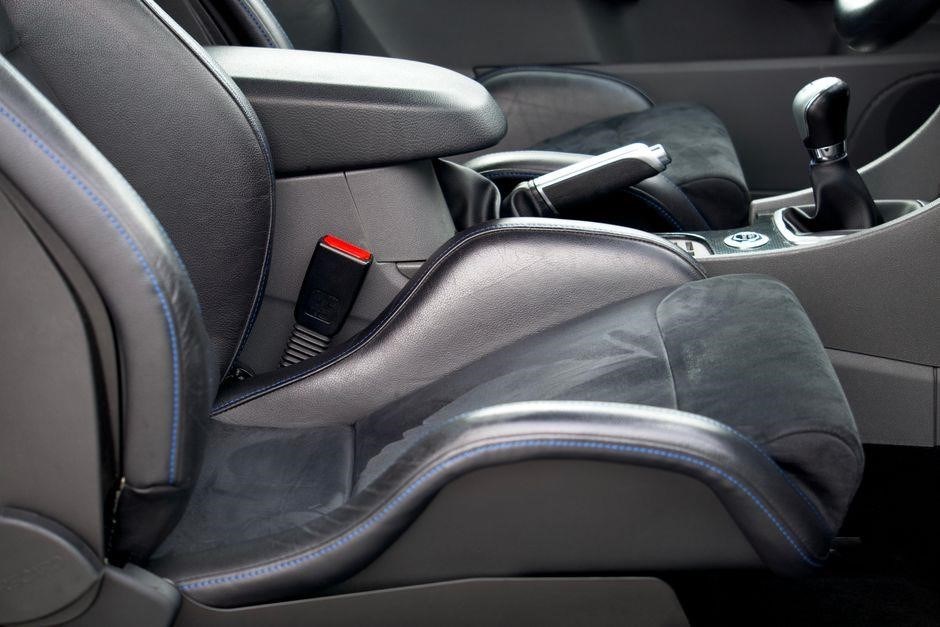
By addressing these common issues promptly and following the outlined troubleshooting steps, Fusion owners can reduce downtime, extend component life, and maintain optimal vehicle performance.

If problems persist, schedule a service appointment with local Ford dealer.!!
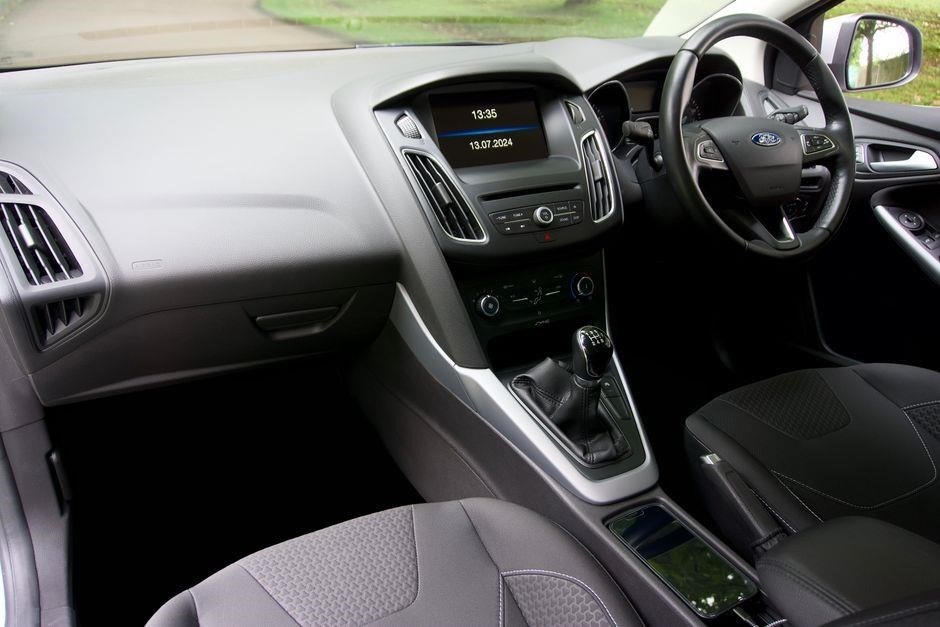
Owner Resources and Support
Ford offers a dedicated online portal, 24‑hour chat, and a nationwide dealer network for parts, repairs, and warranty claims. Access owner forums, downloadable manuals, and service reminders to stay informed and maintain your Fusion’s reliability. Help now!!!!!!
5.1 Dealer Service Centers
Ford’s dealer network offers comprehensive support for Fusion owners. Locate a certified service center via the official website or mobile app by entering your ZIP code. Certified technicians receive regular training on Fusion diagnostics, engine repair, transmission service, and software updates. Centers provide full warranty coverage, routine maintenance, and parts replacement. Appointment scheduling is available online or by phone, and many locations offer complimentary shuttle or loaner vehicles during service. Service records are stored electronically, enabling seamless transfer between dealers. For extended warranties or recall work, dealers coordinate with Ford’s national recall database to ensure timely fixes. Customer service teams handle inquiries, provide repair estimates, and offer financing options for major repairs
Typical service appointments cover oil and filter changes, tire rotations, brake inspections, fluid top‑ups, and alignment checks. Many centers offer complimentary shuttle or loaner vehicles during service. Service bays are equipped with state‑of‑the‑art diagnostic tools, allowing technicians to pinpoint problems quickly and accurately. Service centers provide real‑time updates via SMS or email, keeping owners informed about appointment status, expected completion times, and any additional parts required. If a vehicle is out of town, dealers can arrange a loaner or provide a courtesy shuttle to nearby locations. All service transactions are logged in a centralized database, ensuring that any dealer can access a vehicle’s full maintenance history

Dealers provide clinics, offering free tire pressure checks, battery testing, and fluid level inspections during winter and summer months. Loyalty members receive rates and scheduling, ensuring minimal downtime. All services are backed by Ford’s quality guarantee
5.2 Online Resources and Community
Ford’s official website hosts a dedicated Fusion section, offering downloadable PDFs of the 2012 Owner’s Manual, service bulletins, and firmware updates. The Ford Owner Portal allows owners to schedule maintenance, view warranty status, and access a parts catalog. Community forums such as Ford Fusion Forum and FusionTalk provide peer support, troubleshooting threads, and DIY repair guides. Mobile apps like FordPass give real‑time vehicle diagnostics, remote start, and trip planning. You can also find YouTube channels that review Fusion maintenance, explain engine codes, and demonstrate routine repairs. The Ford Owners Club hosts regional meet‑ups, offering networking opportunities and group rides. For recalls, the National Highway Traffic Safety Administration (NHTSA) database lists all active recalls for the 2012 Fusion, with instructions on how to schedule free repairs. Finally, social media groups on Facebook and Reddit keep owners informed about parts availability, price drops, and local repair shops.
Owners can subscribe to the Ford Fusion newsletter, delivering monthly maintenance tips, safety updates, and special promotions. The Ford Mobile app provides live vehicle status, including fuel level, tire pressure, and diagnostic trouble codes, allowing owners to address issues before costly repairs. The Fusion community hosts annual meet‑ups and webinars where experts discuss performance enhancements and aftermarket parts. Staying connected through these resources extends vehicle longevity, reduces downtime, and enhances ownership experience.
Join Fusion community for exclusive events.