
Rice Cooker Aroma Manual: A Comprehensive Guide
This guide provides detailed instructions for Aroma rice cookers, covering setup, operation, versatile recipes, troubleshooting, and maintenance for optimal performance and longevity.
Aroma rice cookers have become a kitchen staple, celebrated for their convenience and ability to consistently produce perfectly cooked rice. Beyond simple white rice, these versatile appliances unlock a world of culinary possibilities, from fluffy brown rice to savory quinoa and even steaming vegetables.
This introduction will explore the core benefits of choosing an Aroma cooker. They simplify meal preparation, offering automated cooking cycles and features like “Keep Warm” for effortless serving. Aroma prioritizes user-friendly designs, making them accessible for both novice and experienced cooks.
Furthermore, Aroma cookers often incorporate safety features like cool-touch housings and automatic shut-off, providing peace of mind. This manual aims to empower you to fully utilize your Aroma rice cooker, maximizing its potential and enjoying delicious, hassle-free meals.
Understanding Your Aroma Rice Cooker Model
Aroma rice cookers come in a variety of models, each with unique features and capacities. Identifying your specific model is the first step to unlocking its full potential. Locate the model number – typically found on the bottom of the unit or in the original packaging – as this is crucial for accessing specific resources.
Different models offer varying levels of programmability, from basic manual controls to advanced digital interfaces with preset cooking programs. Familiarize yourself with the components of your cooker: the inner pot, steam vent, control panel, and exterior housing.
Referencing your model’s specific manual (available online if lost) will detail these components and their functions, ensuring safe and effective operation. Understanding these nuances will greatly enhance your cooking experience.
Key Features of Aroma Rice Cookers
Aroma rice cookers are renowned for their user-friendly design and consistent cooking results. A standout feature is the “cool-touch” housing, ensuring safe operation by preventing external surfaces from becoming excessively hot. The non-stick inner pot simplifies cooking and cleanup, minimizing sticking and making serving effortless.
Many models boast versatile functionality beyond basic rice cooking, including steaming capabilities for vegetables and fish, and options for cooking grains like quinoa and oats. Digital models offer precise control and preset programs, while manual versions provide simplicity and reliability.
These features combine to deliver a convenient and efficient cooking experience, making Aroma a popular choice for households of all sizes.
Digital vs. Manual Aroma Rice Cookers
Aroma offers both digital and manual rice cookers, catering to diverse user preferences. Digital models, like the ARC-914SBD, feature programmable settings, preset functions for various grains, and a delay start timer for convenient cooking. They provide precise temperature control and often include a keep-warm function with adjustable duration.
Manual cookers, conversely, offer a simpler, more straightforward experience. They typically have a single switch for cooking and warming, relying on user judgment for rice-to-water ratios and cooking times. This simplicity appeals to those who prefer a traditional approach.
Ultimately, the choice depends on desired convenience and control.
Cool-Touch Housing & Safety Features
Aroma rice cookers prioritize user safety with cool-touch housings, minimizing the risk of burns during operation. This design ensures the exterior remains cool even while cooking at high temperatures internally. Beyond the housing, Aroma incorporates several safety mechanisms.
These include automatic shut-off features that activate when cooking is complete or if the cooker overheats, preventing potential hazards. Securely fitted lids prevent steam from escaping unexpectedly, and stable base designs minimize the risk of tipping.
These features contribute to a safe and worry-free cooking experience.
Non-Stick Inner Pot – Materials & Care
Aroma rice cookers typically feature inner pots coated with a non-stick material, often PTFE (Teflon) or a similar coating, facilitating easy food release and cleanup. These pots are usually made of aluminum for efficient heat distribution, ensuring even cooking. Proper care is crucial for longevity.
Avoid using abrasive cleaners or metal utensils, as these can damage the non-stick coating. Hand washing with warm, soapy water is recommended. While some pots are dishwasher-safe, hand washing extends their lifespan.
Regular seasoning (with a light oil coating) can help maintain the non-stick properties.
Setting Up Your Aroma Rice Cooker
Before your first use, familiarize yourself with the components of your Aroma rice cooker. This includes the cooker base, inner pot, steam vent, condensation collector, and measuring cup. Initial setup involves a thorough cleaning of all removable parts with warm, soapy water, ensuring all manufacturing residues are removed.
Place the cooker on a stable, level surface away from flammable materials. Ensure the condensation collector is properly positioned to catch excess moisture. Connect the power cord to a grounded outlet.
Understanding the basic controls is key to successful operation.
Initial Cleaning & Preparation
Prior to the first use, a meticulous cleaning process is essential. Remove the inner pot, steam vent, and condensation collector. Wash these components with warm, soapy water, paying close attention to removing any residual manufacturing coatings or dust. Rinse thoroughly to eliminate all soap traces.
Wipe the exterior of the cooker with a damp cloth. Never immerse the cooker base in water. Ensure the inner pot is completely dry before use. A light seasoning of the inner pot with cooking oil can enhance its non-stick properties and prolong its lifespan. This initial preparation ensures optimal performance and food safety.

Powering On & Basic Controls
To power on your Aroma rice cooker, simply plug it into a grounded electrical outlet. Most models feature a single “Cook/Warm” button; pressing this initiates the cooking cycle. The cooker automatically switches to the “Warm” setting upon completion.
Some digital models have more controls, including options for different rice types or cooking programs. Familiarize yourself with the button layout. Typically, a “Start/Stop” button controls operation, while other buttons select desired settings. Always ensure the inner pot is properly positioned before starting a cooking cycle. Proper operation ensures consistent results;
Understanding the Control Panel Indicators
Aroma rice cooker control panels utilize various indicators to communicate the cooking process; A “Cook” light illuminates during the cooking cycle, signaling active operation. Once cooking finishes, the indicator shifts to “Warm,” maintaining the rice at serving temperature.
Digital models often display more detailed information, such as remaining cook time or selected program. Error messages, like “Burn,” will also appear here, alerting you to potential issues. Pay close attention to these indicators; they provide crucial feedback for successful rice preparation and safe operation. Refer to your model’s specific manual for detailed explanations.
Cooking Rice: The Basics
Mastering rice cooking with your Aroma cooker begins with understanding fundamental principles. Accurate rice-to-water ratios are paramount for achieving desired texture; variations exist based on rice type. Thoroughly rinse rice before cooking to remove excess starch, preventing stickiness.
Ensure the inner pot is properly seated within the cooker. Select the appropriate cooking program (white rice, brown rice, etc.). Avoid lifting the lid during the cooking cycle, as this releases steam and affects the cooking process. Once complete, let the rice rest for 10-15 minutes before fluffing and serving.
Rice to Water Ratio – A Detailed Guide
Achieving perfect rice texture hinges on the correct water-to-rice ratio. For long-grain white rice, a standard ratio is 1 cup of rice to 1.5 cups of water. Medium-grain rice typically requires slightly less water – around 1.25 cups per 1 cup of rice. Brown rice, being denser, needs more liquid; use approximately 2 to 2.5 cups of water for every 1 cup of brown rice.
These are guidelines; adjustments may be needed based on rice age and desired consistency. Experimenting with small batches is recommended. Always refer to your specific Aroma model’s manual for tailored recommendations, as ratios can vary.
White Rice Cooking Instructions
Begin by rinsing the white rice under cold water until the water runs clear, removing excess starch. Add the rinsed rice and the appropriate amount of water (typically a 1:1.5 ratio) to the Aroma rice cooker’s inner pot. Ensure the pot is seated correctly. Close the lid securely, and select the “White Rice” setting, if available, or the standard cooking cycle.
The cooker will automatically switch to the “Keep Warm” mode once cooking is complete. Allow the rice to rest, covered, for 10-15 minutes before fluffing with a fork. This allows steam to redistribute, resulting in perfectly cooked, fluffy white rice.
Brown Rice Cooking Instructions
Preparing brown rice requires a slightly different approach than white rice due to its bran layer. Rinse the brown rice thoroughly under cold water. A typical rice-to-water ratio for brown rice is 1:2 or 1:2.5, depending on the desired texture – use more water for softer rice. Place the rinsed rice and water into the Aroma cooker’s inner pot, ensuring it’s properly positioned.
Select the “Brown Rice” preset if your model has one; otherwise, use the standard cooking cycle. Brown rice generally takes longer to cook than white rice. After cooking, let it rest, covered, for 10 minutes before fluffing.
Beyond Rice: Versatile Cooking Options

Aroma rice cookers aren’t limited to just rice! Their functionality extends to a surprising range of dishes. Utilize the steaming basket to perfectly steam vegetables like broccoli, carrots, or even delicate fish fillets, retaining nutrients and flavor. Cooking grains like quinoa or oats is simple – adjust the water ratio accordingly, and use the appropriate preset or standard cycle.
For soups and stews, sauté vegetables directly in the inner pot before adding liquids and ingredients. The “Slow Cook” function, if available, is ideal for longer simmering. Experiment with different recipes to unlock your cooker’s full potential!
Steaming Vegetables & Fish
Utilizing the steaming basket that often accompanies Aroma rice cookers unlocks a healthy and convenient cooking method. Add water to the inner pot – typically 1-2 cups, depending on steaming time – and place the basket inside. Arrange vegetables like broccoli, asparagus, or carrots, ensuring even steam circulation.
For fish, season fillets and place them in the basket. Steaming preserves moisture and delicate flavors. Cooking times vary; check for doneness. This method avoids added fats, making it a nutritious choice. Remember to carefully remove the hot basket!
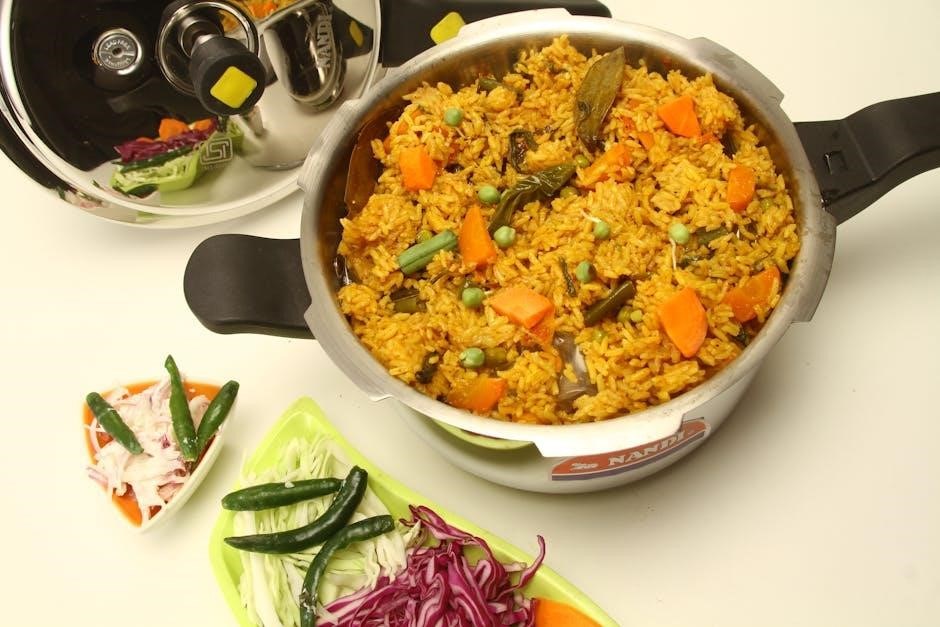
Cooking Grains (Quinoa, Oats, etc.)
Aroma rice cookers aren’t limited to rice! They excel at cooking various grains. For quinoa, use a 1:2 quinoa-to-water ratio; rinse quinoa beforehand to remove saponins. For oats (rolled or steel-cut), adjust water accordingly – typically 1:3 for rolled, 1:4 for steel-cut.
Utilize the ‘Grain’ or ‘Porridge’ preset if available, or use the standard ‘White Rice’ setting. Monitor cooking, as times vary. Stir occasionally to prevent sticking. This method offers consistent results and frees up stovetop space, providing a convenient alternative for grain preparation.
Making Soups & Stews
Aroma rice cookers are surprisingly adept at crafting delicious soups and stews! Begin by sautéing vegetables directly in the pot using the ‘Sauté’ function (if equipped), or add pre-cooked ingredients. Add broth or water, along with your chosen proteins and seasonings.
Utilize the ‘Soup’ or ‘Slow Cook’ preset when available. Otherwise, employ the ‘White Rice’ setting and monitor closely. Avoid overfilling – leave space for bubbling; The ‘Keep Warm’ function is ideal for maintaining temperature post-cooking, ensuring a flavorful and comforting meal is always ready.
Advanced Features & Functions
Aroma rice cookers boast features extending beyond basic rice cooking. The Delay Start Timer allows pre-programming cooking to begin at a later time, perfect for busy schedules – simply set the desired start time and ingredients. The ‘Keep Warm’ function automatically activates post-cooking, maintaining optimal serving temperature for hours, though prolonged warming may slightly alter texture.
Explore Preset Cooking Programs for specialized cooking; options include settings for various grains, steaming, and even slow cooking. These presets optimize time and temperature for consistent results. Mastering these functions unlocks the full potential of your Aroma cooker!
Delay Start Timer – How to Use
The Delay Start function enables convenient, timed cooking. First, prepare your rice and ingredients as usual, adding them to the inner pot. Press the ‘Delay Start’ button; the display will likely show a default delay time. Use the ‘Hour’ and ‘Minute’ buttons to adjust the desired delay – specify how many hours until you want cooking to begin.
Once set, press ‘Start’. The cooker will enter a delayed state, and cooking will commence automatically at the programmed time. Ensure perishable ingredients are handled safely and the delay isn’t excessively long to prevent spoilage.
Keep Warm Function – Duration & Considerations
Aroma rice cookers feature a ‘Keep Warm’ function that automatically activates after the cooking cycle completes, maintaining rice at an optimal serving temperature. Typically, the ‘Keep Warm’ function can safely hold rice for up to 12 hours. However, prolonged warming can slightly alter the rice’s texture, potentially drying it out.
For best results, it’s recommended to consume the rice within a few hours of warming. Avoid leaving cooked rice on ‘Keep Warm’ for extended periods, especially in warmer environments, as this could encourage bacterial growth. Stirring the rice occasionally during warming can help redistribute moisture.
Preset Cooking Programs – Exploring Options
Many Aroma rice cookers boast preset programs designed for various grains and dishes, simplifying the cooking process. Common presets include ‘White Rice’, ‘Brown Rice’, ‘Quinoa’, ‘Oatmeal’, and ‘Steam’. These programs automatically adjust cooking time and temperature for optimal results with each specific food type.
Experimenting with these presets can unlock a wider range of culinary possibilities beyond basic rice cooking. Refer to your model’s manual for a complete list of available programs and recommended water-to-grain ratios. Utilizing presets ensures consistent, perfectly cooked results, even for less familiar grains or recipes.
Troubleshooting Common Issues
Encountering problems with your Aroma rice cooker is common, but often easily resolved. Mushy rice usually indicates too much water; reduce the liquid slightly next time. Conversely, hard rice suggests insufficient water – increase it gradually. A ‘Burn’ message typically means insufficient liquid or food stuck to the bottom; ensure proper ratios and clean the inner pot thoroughly.
If the cooker won’t power on, check the power cord connection and outlet functionality. Ensure the inner pot is correctly seated. Consult your model’s manual for specific error codes and solutions. Don’t attempt repairs yourself; contact customer support for assistance.

Rice is Too Mushy or Too Hard
Achieving perfect rice texture is key, and inconsistencies are easily addressed. If your rice is too mushy, it generally means an excess of water was used during cooking. For future batches, slightly decrease the water-to-rice ratio, perhaps by a tablespoon or two; Conversely, hard or undercooked rice indicates insufficient liquid.
Gradually increase the water amount in subsequent attempts. Remember to consider the type of rice, as different varieties require varying water levels. Experimenting with small adjustments will help you find the ideal ratio for your preferred rice and Aroma cooker model, ensuring consistently fluffy results.
Burn Message & Prevention
The “Burn” message on your Aroma rice cooker signals that food has stuck to the bottom and is scorching. This usually happens with insufficient liquid, starchy foods, or prolonged cooking times. To prevent this, always ensure adequate water levels, especially when cooking brown rice or grains other than white rice.
Thoroughly rinse rice before cooking to remove excess starch. Avoid using sugary ingredients directly in the inner pot without sufficient liquid. If steaming, ensure the water reservoir isn’t empty. Regularly cleaning the inner pot after each use prevents buildup that contributes to burning, guaranteeing optimal performance.
Cooker Won’t Turn On – Possible Causes
If your Aroma rice cooker fails to power on, first verify the power cord is securely plugged into both the cooker and a functioning outlet. Check the outlet itself by testing it with another appliance. A tripped circuit breaker or blown fuse could also be the culprit – reset or replace as needed.
Inspect the power cord for any visible damage; a frayed or cut cord requires replacement. Ensure the cooker’s lid is properly sealed, as some models have a safety feature preventing operation if the lid isn’t secure. If issues persist, contact Aroma customer support for further assistance.
Cleaning & Maintenance
Regular cleaning extends the life of your Aroma rice cooker. Always unplug the cooker and allow it to cool completely before cleaning. The inner pot and steam vent are typically dishwasher-safe, but hand washing is recommended for delicate finishes. Wipe the exterior with a damp cloth; avoid abrasive cleaners.
For stubborn residue, a paste of baking soda and water can be effective. Ensure all parts are thoroughly dried before reassembly. Proper care prevents buildup and maintains optimal cooking performance. Consistent maintenance ensures years of reliable use from your Aroma appliance.
Proper Cleaning Procedures
Begin by unplugging and cooling the rice cooker completely. Remove the inner pot, steam vent, and condensation collector. Wash these components with warm, soapy water, or place them in the dishwasher if indicated in your model’s manual. For the cooker’s exterior, use a damp cloth to wipe away any spills or splatters.
Avoid abrasive cleaners that could damage the finish. Pay close attention to the heating plate, gently removing any stuck-on food particles. Thoroughly dry all parts before reassembling. Regular, diligent cleaning prevents odors and ensures hygienic operation.
Inner Pot Care & Seasoning
Protect your Aroma rice cooker’s inner pot to extend its lifespan. Avoid using metal utensils, opting instead for wooden or silicone tools to prevent scratching the non-stick coating. While most pots are dishwasher-safe, handwashing is gentler and preserves the coating longer.
Seasoning isn’t typically required for modern non-stick pots, but a light coating of oil after washing can help maintain its properties. If food persistently sticks, consider a very light seasoning with cooking oil, wiping away any excess. Avoid harsh scouring pads; gentle cleaning is key.
Long-Term Storage Tips

When storing your Aroma rice cooker for extended periods, ensure it’s completely dry to prevent mold or mildew. Remove the inner pot, steam tray, and any accessories, washing and drying them thoroughly before storing separately. Loosely cover the cooker to protect it from dust.
Store in a cool, dry place away from direct sunlight and extreme temperatures. Avoid stacking heavy items on top of the cooker. Periodically check the stored cooker for any signs of damage or deterioration. Proper storage preserves functionality and extends the appliance’s life.
Aroma Rice Cooker Model Specifics (ARC-914SBD Example)
The Aroma ARC-914SBD is a popular digital rice cooker known for its versatility and value. It features a cool-touch housing, a non-stick inner pot, and a capacity of 6 cups (cooked). This model includes preset functions for white rice, brown rice, steam, and slow cook.
Unique to the ARC-914SBD is its ability to function as a food steamer, ideal for vegetables and fish. The digital control panel offers easy operation, while the delay timer allows for convenient meal preparation. Understanding these specifics maximizes the cooker’s potential.
Finding Replacement Parts & Accessories
Maintaining your Aroma rice cooker often requires replacing parts over time. Common replacements include inner pots, steam trays, condensation collectors, and sealing rings. Aroma’s official website is a primary source, offering genuine parts directly to consumers.
Alternatively, numerous online retailers like Amazon and eBay stock Aroma replacement parts. When purchasing, ensure compatibility with your specific model number (e.g., ARC-914SBD). Third-party accessories, such as extra steam baskets or specialized cooking containers, can also enhance functionality and versatility. Prioritize quality and verified sellers for optimal performance.
Safety Precautions & Warnings
Always exercise caution when operating your Aroma rice cooker. Never immerse the cooker base in water or any other liquid to prevent electric shock. Ensure the power cord is undamaged and avoid using extension cords if possible.
Hot surfaces – the exterior and inner pot become extremely hot during and after cooking; use oven mitts or pot holders. Do not operate the cooker if the cord or plug is damaged. Keep the cooker away from flammable materials. Unplug the cooker when not in use and before cleaning. Supervise children closely when the appliance is in operation.