
Predator 212 Manual Clutch: A Comprehensive Guide
Navigating the world of Predator 212 clutches requires understanding engagement issues, upgrades like torque converters, and crankshaft compatibility for optimal performance․
Understanding the Predator 212 Engine
The Predator 212cc engine has become a popular choice for go-karts, mini bikes, and off-road projects due to its affordability and readily available performance parts․ This single-cylinder, four-stroke engine delivers a solid power output, making it suitable for a wide range of applications․ However, maximizing its potential often requires understanding how the engine interacts with the clutch system․
Crucially, the Predator 212 often comes equipped with a governor, which limits the engine’s RPM․ Removing the governor can unlock additional power, but it also necessitates careful clutch adjustments to prevent excessive engagement at idle or wheelies․ The engine’s crankshaft is a key component, available in 3/4″, 5/8″, and metric sizes, directly impacting clutch compatibility․ Selecting the correct clutch for your specific crankshaft is paramount for a successful installation․
What is a Manual Clutch?

A manual clutch, in the context of the Predator 212, serves as the vital link between the engine’s rotational power and the drivetrain․ Unlike automatic transmissions, a manual clutch requires no automatic engagement; it relies on centrifugal force or torque sensing to initiate power transfer․ This means the engine can spin freely at idle without propelling the vehicle․
Essentially, the clutch engages and disengages the engine from the wheels, allowing for starting, stopping, and gear changes (if applicable)․ Common types include centrifugal clutches, which engage based on engine RPM, and torque converter clutches, offering smoother acceleration and improved low-end torque․ Understanding the clutch’s function is key to addressing issues like staying engaged at idle or experiencing clutch slippage․
Types of Manual Clutches for Predator 212
The Predator 212 engine commonly utilizes three primary manual clutch types, each offering distinct performance characteristics․ Standard centrifugal clutches are the most basic, engaging automatically with increasing RPM – ideal for simpler applications․ Torque converter clutches, however, provide smoother acceleration and enhanced low-end torque, particularly beneficial for minibikes and go-karts needing strong initial pull․
Finally, high-torque clutches, like those from Max Torque or Go Power Sports, are designed for increased durability and power handling․ These are favored for modified engines or demanding off-road use․ Choosing the right clutch depends heavily on your application and desired performance level, with upgrades often addressing issues like clutch slippage or engagement problems․
Standard Centrifugal Clutch
The standard centrifugal clutch is the most frequently found option on stock Predator 212 engines, prized for its simplicity and affordability․ It operates based on centrifugal force; as the engine RPM increases, weighted shoes within the clutch fly outward, engaging the drive chain․ This automatic engagement makes it user-friendly, requiring no manual operation․
However, these clutches can exhibit limitations, such as potential slippage under heavy load or a tendency to engage at higher RPMs․ Adjusting idle speed can sometimes mitigate engagement issues, but they generally lack the performance of upgraded options․ Cleaning mating surfaces is crucial for optimal function, and they are often the first clutch type owners replace for improved performance․
Torque Converter Clutches
Torque converter clutches offer a significant performance boost over standard centrifugal clutches for the Predator 212․ Unlike centrifugal clutches, they utilize a fluid coupling system to transfer power, providing smoother engagement and increased low-end torque․ This results in quicker acceleration and improved climbing ability, particularly beneficial for minibikes and go-karts․
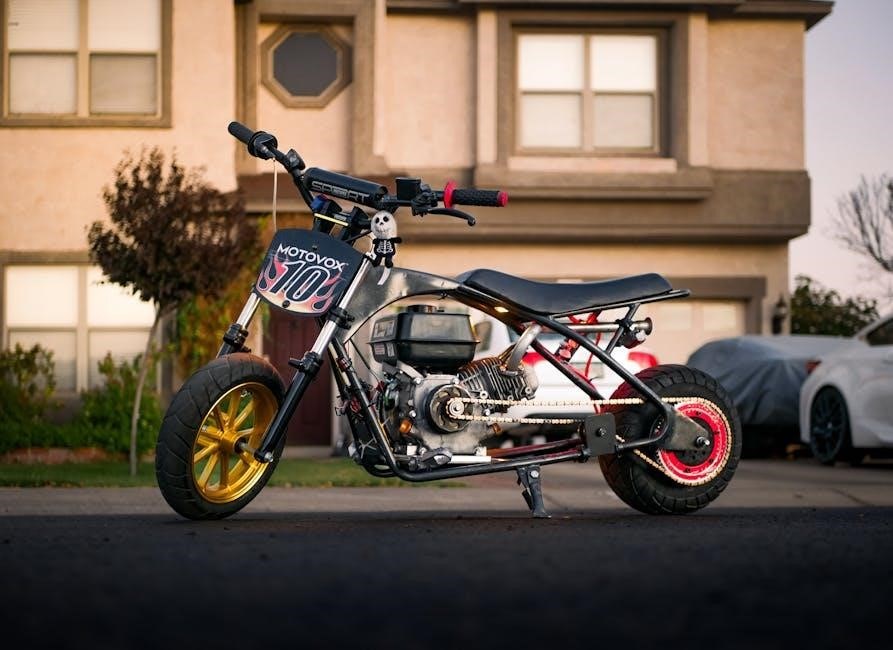
However, torque converters can be more complex to install and adjust․ Some users have reported excessive wheelie tendencies, especially with governor-removed engines, requiring careful tuning․ While offering superior performance, they generally come at a higher cost than standard or even high-torque centrifugal clutches․ They act like an automatic transmission once installed․
High-Torque Clutches
High-torque clutches represent a middle ground between standard centrifugal clutches and torque converters for the Predator 212․ They are designed to handle increased engine output and provide more robust engagement, addressing common issues like clutch slippage․ Brands like Go Power Sports and Max Torque offer popular options known for their durability and performance enhancements․
These clutches often feature heavier springs and improved construction․ They are a good choice for those seeking a noticeable upgrade without the complexity or cost of a full torque converter system․ Many users recommend them as a direct replacement for stock clutches, improving responsiveness and reliability․ They are considered “beastly” by some enthusiasts․
Common Clutch Problems with Predator 212
Predator 212 engines, while popular, can experience several clutch-related issues․ A frequent complaint is the clutch staying engaged at idle, causing the machine to creep forward unexpectedly․ This often stems from a high idle speed, requiring adjustment․ Conversely, clutch slippage occurs when the engine revs but fails to translate power to the wheels, indicating worn components or insufficient spring tension․

Another common problem is a clutch that simply won’t engage․ This can be due to a broken spring, improper installation, or issues with the mating surfaces․ Addressing these problems often involves cleaning, adjustment, or replacement of clutch parts․ Some clutches may even “just shit the bed” unexpectedly․
Clutch Staying Engaged at Idle
A Predator 212 clutch remaining engaged at idle is a common frustration․ This manifests as the kart or mini bike moving forward even when no throttle is applied․ The primary culprit is often an excessively high idle speed, causing the centrifugal weights to engage prematurely․ Adjusting the idle screw downwards is the first troubleshooting step, even on newer engines․
Cleaning the clutch and mating surfaces can also help, removing debris that might hinder proper disengagement․ However, if the problem persists, it could indicate worn clutch shoes or springs․ Some users report that certain clutches are simply prone to this issue, necessitating an upgrade․
Clutch Slippage
Clutch slippage on a Predator 212 presents as a loss of power during acceleration, often sounding like the engine is revving without a corresponding increase in speed․ This occurs when the clutch shoes aren’t gripping the clutch drum firmly enough․ Several factors can contribute to this issue, including worn clutch shoes, weakened clutch springs, or excessive engine load․
Regularly monitoring clutch wear is crucial․ Upgrading to a high-torque clutch, like those from Max Torque or Go Power Sports, is a popular solution, providing stronger engagement and improved power transfer․ Ensuring proper spring tension and clean mating surfaces also helps maintain optimal clutch performance․
Clutch Not Engaging
A Predator 212 clutch failing to engage means the engine runs, but power isn’t transferred to the wheels․ This can manifest as the clutch spinning freely without pulling․ Common causes include a broken or excessively worn clutch spring, a damaged clutch shoe, or improper idle speed settings․ A high idle can prevent full clutch engagement․
Troubleshooting involves checking the idle speed and meticulously cleaning both the clutch and mating surfaces․ Confirming crankshaft compatibility – ensuring a proper fit for 3/4″, 5/8″, or metric cranks – is vital after a replacement․ Upgrading to a more robust clutch system might be necessary for demanding applications․
Troubleshooting Clutch Engagement Issues
Addressing clutch engagement problems on a Predator 212 begins with systematic diagnosis․ First, checking idle speed is crucial; a high idle can prevent proper engagement․ Next, thoroughly cleaning the clutch and mating surfaces removes debris hindering smooth operation․ Inspecting the clutch shoes for wear and the spring for breakage is essential․
Ensure the correct crankshaft size (3/4″, 5/8″, or metric) is matched to the clutch․ If the clutch still fails to engage, consider adjusting spring tension․ Remember to torque bolts to specification during reassembly․ Consistent monitoring of clutch wear is vital for long-term performance․
Checking Idle Speed
Proper idle speed is paramount for Predator 212 clutch engagement․ A too-high idle can cause the clutch to remain partially engaged, leading to creeping or difficulty disengaging at a standstill․ Conversely, a too-low idle may prevent sufficient RPMs for engagement․ Begin by locating the idle adjustment screw on the carburetor․
Slowly adjust the screw, observing the engine’s behavior․ Aim for a stable idle around 1750-2000 RPM․ Refer to your engine’s documentation for the precise recommended idle speed․ Fine-tune the adjustment until the clutch fully disengages when the engine is at idle and engages smoothly upon acceleration․
Cleaning the Clutch and Mating Surfaces
Debris buildup significantly impacts clutch performance․ Dirt, grime, and old grease can hinder smooth engagement and contribute to slippage․ Begin by removing the clutch assembly․ Thoroughly clean the clutch shoes, drum, and all mating surfaces with a solvent like brake cleaner or degreaser․
Pay close attention to the keyway and ensure it’s free of obstructions․ Inspect the clutch drum for wear or damage․ After cleaning, ensure all surfaces are completely dry before reassembly․ Proper cleaning, combined with torquing bolts to specification, is crucial for optimal clutch function and longevity․

Inspecting Clutch Springs
Clutch springs are vital for proper engagement and disengagement․ Over time, they can lose tension, leading to slippage or inconsistent performance․ Carefully examine each spring for cracks, bends, or signs of fatigue․ Compare the length of each spring; significant variations indicate weakness․
Replacing worn springs is a cost-effective way to restore clutch function․ When adjusting spring tension, ensure even distribution for balanced engagement․ Monitor clutch wear regularly, as spring condition directly impacts overall reliability․ Proper spring maintenance contributes to a responsive and dependable power transfer․
Predator 212 Clutch Upgrades
Upgrading your Predator 212 clutch significantly enhances performance․ Several options cater to different needs and budgets․ Max Torque clutches are renowned for their robust build and aggressive engagement, ideal for demanding applications․ Go Power Sports high-torque clutches offer a balance of performance and affordability, addressing common slippage issues․
Variable Clutch (CVT) kits provide an automatic transmission-like experience, optimizing power delivery throughout the RPM range․ These kits are particularly beneficial for varied terrain․ Consider your riding style and intended use when selecting an upgrade; some, like torque converters, may require adjustments after governor removal․

Max Torque Clutch Options
Max Torque clutches stand out as a premium upgrade for the Predator 212, consistently praised for their exceptional durability and aggressive engagement characteristics․ These clutches are designed to handle significant power, making them suitable for demanding applications like go-karts and off-road vehicles․ They effectively minimize slippage, delivering improved acceleration and overall performance․
Several Max Torque clutch variations are available, differing in spring weights and driver configurations to fine-tune engagement based on your specific setup․ Users report a noticeable improvement in responsiveness, often describing them as “beastly․” Proper installation and periodic maintenance, including spring tension adjustments, are crucial for maximizing their lifespan and performance․

Go Power Sports High Torque Clutch
The Go Power Sports High Torque clutch is a popular and readily available upgrade for the Predator 212 engine, frequently recommended by enthusiasts seeking enhanced performance․ It addresses common issues like clutch slippage and delayed engagement, offering a more responsive driving experience․ Many users opt for this clutch when experiencing problems with the stock centrifugal clutch, particularly when the engine is modified or used in challenging terrain․
Reports suggest that cleaning mating surfaces and adjusting idle speed can temporarily improve stock clutch performance, but the Go Power Sports clutch provides a more permanent solution․ It’s often considered a good balance between cost and performance, delivering a significant upgrade without breaking the bank․
Variable Clutch (CVT) Kits
Variable Clutch, or CVT (Continuously Variable Transmission) kits, represent a significant upgrade for the Predator 212, effectively acting as an automatic transmission․ These kits offer a wider range of gear ratios, improving acceleration and top speed compared to standard clutches․ However, they can be more complex to install and require careful adjustment for optimal performance․
Some users have reported excessive wheelie tendencies when initially installing CVT kits on governor-removed engines, highlighting the need for controlled throttle application․ While offering superior performance, a torque converter might be a more enjoyable ride for some applications․ CVT kits are best suited for those seeking maximum performance and are comfortable with more involved tuning․
Crankshaft Compatibility and Clutch Fitment
Ensuring proper crankshaft compatibility is crucial when selecting a clutch for your Predator 212․ Predator 212 engines can come with varying crankshaft diameters – commonly 3/4″, 5/8″, or metric sizes․ Incorrect crankshaft sizing leads to fitment issues and prevents proper clutch installation․ A simple test involves checking if the original clutch bolt fits the new crankshaft; a mismatch suggests a metric crank․

Purchasing from reputable sources and verifying crankshaft specifications before ordering a clutch is vital․ Using the wrong size can cause significant problems․ Always confirm the bolt pattern and diameter to guarantee a secure and functional connection between the clutch and the engine’s crankshaft;
Identifying Crankshaft Size (3/4″ vs․ 5/8″ or Metric)
Determining your Predator 212’s crankshaft size is the first step towards clutch compatibility․ The most common sizes are 3/4″ (0․750″), 5/8″, and metric variations․ A straightforward method involves measuring the diameter of the crankshaft’s output shaft with calipers․ If you lack calipers, attempt to fit the original clutch bolt; if it doesn’t thread smoothly, it’s likely not the correct size․
Be cautious when purchasing, as some suppliers may inadvertently ship incorrect crankshafts․ If you suspect a mismatch, particularly a metric crank when expecting 3/4″, double-check the specifications with the vendor․ Accurate identification prevents wasted time and ensures a proper clutch fitment․
Ensuring Proper Bolt Fit
After identifying the crankshaft size, verifying proper bolt fit is crucial for secure clutch installation․ The original clutch bolt should thread smoothly into the crankshaft without excessive force or feeling stripped․ If the bolt doesn’t engage correctly, it indicates a size mismatch between the crankshaft and the clutch․
Using the wrong bolt can lead to several issues, including clutch slippage, damage to the crankshaft threads, and potential failure during operation․ Always confirm the bolt’s thread pitch and diameter match the crankshaft specifications․ If a new bolt is required, ensure it’s grade 8 or higher for optimal strength and reliability․
Clutch Installation and Maintenance
Proper installation is key to maximizing the lifespan and performance of your Predator 212 clutch․ Always clean all mating surfaces thoroughly before assembly to remove any debris or contaminants․ Torque bolts to the manufacturer’s specifications – under-tightening can cause slippage, while over-tightening risks stripping threads․
Regular maintenance involves monitoring clutch wear and adjusting spring tension as needed․ Inspect the clutch shoes for excessive wear or damage, and replace them if necessary․ Periodically check and adjust the spring tension to maintain optimal engagement and prevent slippage, ensuring consistent power delivery and a smooth riding experience․
Torque Specifications for Clutch Bolts
Achieving the correct torque on clutch bolts is paramount for reliable operation and preventing premature failure․ Insufficient torque can lead to clutch slippage during acceleration, diminishing performance and potentially damaging components․ Conversely, excessive torque risks stripping the threads in the crankshaft or clutch housing, necessitating costly repairs․
Generally, Predator 212 clutch bolts require a torque specification between 15-20 ft-lbs (foot-pounds)․ However, always consult the specific instructions provided with your clutch kit, as variations may exist․ Using a calibrated torque wrench is crucial for accurate tightening, ensuring consistent and secure fastening․ Regular checks are recommended to maintain proper torque levels․
Adjusting Clutch Spring Tension
Fine-tuning clutch spring tension is a critical step in optimizing Predator 212 performance․ Increased spring tension generally results in higher engagement RPMs, beneficial for applications needing more low-end torque or preventing unwanted engagement at idle․ Conversely, reduced tension lowers engagement RPMs, improving responsiveness but potentially causing slippage under heavy load․
Adjustment is typically achieved by adding or removing shims or spacers beneath the clutch spring․ Start with small adjustments and thoroughly test the results․ Monitor clutch wear closely after any tension changes, as increased tension can accelerate wear․ Proper adjustment ensures smooth engagement and maximizes power transfer․
Monitoring Clutch Wear
Regularly inspecting your Predator 212’s clutch is vital for maintaining performance and preventing unexpected failures․ Clutch wear manifests as shiny or glazed surfaces on the clutch shoes and drum, indicating increased friction and reduced grip․ Excessive wear can lead to slippage, diminished acceleration, and ultimately, clutch failure․
Pay close attention to the clutch shoes’ material thickness; significant reduction signals the need for replacement․ After upgrades or adjustments, increased monitoring is crucial․ Consistent performance checks and proactive replacement of worn components ensure reliable operation and prevent damage to other engine parts․
Governor Removal and Clutch Performance
Removing the governor from a Predator 212 significantly alters clutch engagement characteristics․ Without the governor restricting engine speed, the engine can rev higher, potentially causing the clutch to engage aggressively, even at low throttle positions․ This can result in sudden take-offs and wheelies, as experienced with torque converter setups․

Adjusting the clutch is essential post-governor removal․ Consider stiffer clutch springs or a high-torque clutch to manage the increased power and prevent unwanted engagement․ Proper tuning ensures a smoother, more controllable riding experience, maximizing the benefits of the increased engine output․
Impact of Governor Removal on Clutch Engagement
Removing the governor fundamentally changes how the Predator 212’s clutch behaves․ The governor normally limits engine RPM, preventing premature clutch engagement at idle․ Without this limitation, the engine freely reaches higher speeds, causing the centrifugal clutch to engage much earlier in the throttle range․
This often manifests as the clutch “staying engaged” at idle, leading to immediate forward motion when the throttle is touched․ Some users report the kart or mini bike taking off unexpectedly․ Increased engine speed also means more force is applied to the clutch shoes, potentially leading to slippage if the clutch isn’t robust enough․
Adjusting Clutch for Governor-Removed Engines
After governor removal, clutch adjustment is crucial․ Lowering the idle speed is often the first step, reducing the engine RPM at rest and delaying engagement․ Experiment with idle screws to find a sweet spot where the clutch disengages fully at idle but engages smoothly with throttle input․
Upgrading to a high-torque clutch, like those from Go Power Sports or Max Torque, is frequently recommended․ These clutches utilize stiffer springs and improved shoes to handle the increased engine power and prevent slippage․ Adjusting spring tension within the clutch can further fine-tune engagement characteristics, but proceed cautiously to avoid over-tensioning․
Choosing the Right Clutch for Your Application
Selecting the ideal clutch hinges on your project’s purpose․ Go-kart applications often benefit from high-torque clutches, providing quick acceleration and robust power transfer․ Mini bikes may favor torque converters for smoother starts and easier riding, especially for beginners, though some prefer the simplicity of a standard clutch․
Off-road applications demand durability and consistent performance․ Variable clutch (CVT) kits offer automatic transmission-like functionality, adapting to terrain changes․ Consider the engine’s modifications; a governor-removed engine necessitates a clutch capable of handling increased RPMs․ Max Torque clutches are frequently recommended for their strength and reliability across various terrains․
Go-Kart Applications
For go-karts, a high-torque clutch is often the preferred choice, delivering rapid acceleration crucial for competitive racing or spirited recreational driving․ These clutches excel at transferring the Predator 212’s power efficiently to the rear axle, maximizing performance on both straightaways and corners․
However, consider the track conditions and driving style․ A standard centrifugal clutch might suffice for casual, low-speed karting․ Upgrading to a Max Torque clutch provides a noticeable boost in responsiveness․ Ensure proper spring tension adjustment for optimal engagement, and regularly monitor wear to maintain consistent performance․ A well-chosen clutch significantly enhances the go-karting experience․
Mini Bike Applications
Mini bikes often benefit from the simplicity and affordability of a standard centrifugal clutch, especially for entry-level builds or casual riding․ However, removing the governor can dramatically alter clutch engagement, potentially causing wheelies or requiring clutch adjustments․ A torque converter offers smoother acceleration and a wider effective gear ratio, ideal for varied terrain․
For more demanding mini bike applications, a Go Power Sports high torque clutch provides increased durability and performance․ Remember to verify crankshaft compatibility – 3/4″, 5/8″, or metric – before purchasing․ Proper installation and regular maintenance, including cleaning mating surfaces, are vital for reliable operation․
Off-Road Applications
Off-road riding demands a robust clutch setup for the Predator 212․ Standard clutches may struggle with steep inclines or muddy conditions, leading to slippage․ A high-torque clutch, like those from Max Torque, provides the necessary grip and power transfer for challenging terrain․ Consider a variable clutch (CVT) kit for automatic gear ratio adjustments, enhancing performance across diverse landscapes․
Ensure crankshaft compatibility is verified during installation․ Regularly inspect clutch wear and adjust spring tension to maintain optimal engagement․ Removing the governor can amplify off-road capabilities, but requires careful clutch tuning to prevent excessive wheel speed․