
Ryobi Electric Pressure Washer Manual: A Comprehensive Guide
Ryobi tools offer a broad range‚ with users discussing battery compatibility‚ trimmer line choices‚ and mower performance․ This manual details operation and maintenance․
Ryobi pressure washers are popular for home use‚ offering a balance of affordability and performance․ Discussions highlight user satisfaction with Ryobi’s cordless options and the extensive One+ battery system․ These electric models provide a convenient alternative to gas-powered units‚ suitable for various cleaning tasks around the property․ From detailing cars to revitalizing decks‚ Ryobi caters to diverse needs․ Understanding your specific model and following this manual ensures optimal operation and longevity‚ maximizing your cleaning efficiency and tool investment․
Understanding Your Ryobi Model
Ryobi offers diverse pressure washer models‚ varying in PSI and GPM (gallons per minute)․ Identifying your specific model number is crucial for accessing the correct parts and support․ Consider whether you need a cordless‚ battery-powered unit or an electric corded option; Users appreciate Ryobi’s 36V and 18V systems․ Familiarize yourself with the features unique to your model‚ like detergent tanks or adjustable nozzles‚ to unlock its full potential and achieve optimal cleaning results․
Safety Precautions
Prioritize safety when operating your Ryobi pressure washer․ Always wear safety glasses to protect your eyes from debris․ Avoid directing the spray at people‚ animals‚ or electrical connections․ Ensure a stable footing and never overreach․ Be mindful of electrical safety – use GFCI outlets and avoid wet conditions․ Disconnect the power source before maintenance․ Understand nozzle power; incorrect use can cause damage or injury․
General Safety Rules
Read the entire manual before use to understand operational procedures and potential hazards․ Keep children and bystanders away from the work area․ Never modify the pressure washer or use incompatible parts․ Inspect hoses and connections for damage before each use․ Avoid using the machine on unstable surfaces․ Always relieve pressure before disconnecting any components․ Be aware of your surroundings and potential slip hazards․
Electrical Safety
Ensure the power source matches the pressure washer’s requirements․ Never use extension cords unless absolutely necessary‚ and select one rated for outdoor use with sufficient amperage․ Avoid operating the machine in wet conditions or near standing water․ Disconnect the power supply before performing any maintenance or changing accessories․ Do not handle the plug or power cord with wet hands․ Inspect the cord regularly for damage․
Components and Features
Ryobi pressure washers boast robust construction and user-friendly designs․ Key components include the motor‚ pump‚ high-pressure hose‚ spray gun‚ and various nozzles․ Features often encompass onboard detergent tanks‚ wheel kits for portability‚ and ergonomic handles for comfortable operation․ Understanding each part’s function is crucial for efficient use and proper maintenance‚ ensuring longevity and optimal cleaning performance․
Pressure Washer Parts Identification
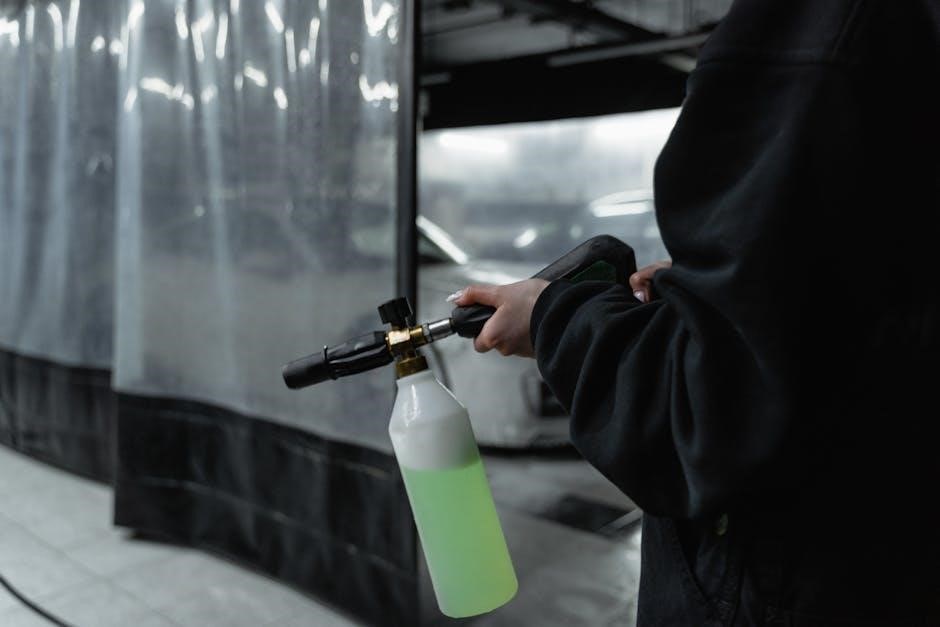
Essential parts include the motor housing‚ high-pressure pump‚ water inlet‚ spray gun with trigger‚ safety lock‚ and various quick-connect nozzles․ The high-pressure hose connects the pump to the spray gun․ Inspect the detergent tank (if equipped) and wheel assembly․ Familiarize yourself with the power cord and any included accessories․ Proper identification aids in assembly‚ operation‚ and future part replacement needs․
Nozzle Selection Guide
Ryobi pressure washers typically include multiple nozzles‚ each designated for specific cleaning tasks․ A 0-degree nozzle delivers a concentrated stream for stubborn dirt‚ while a 25-degree nozzle suits general cleaning․ The 40-degree nozzle is ideal for delicate surfaces․ Always test on an inconspicuous area first․ Incorrect nozzle selection can damage surfaces; choose wisely based on material and soil level․
Assembly Instructions
Ryobi pressure washer assembly is straightforward․ Begin by securely connecting the high-pressure hose to both the pressure washer unit and the spray gun․ Ensure a tight fit to prevent leaks during operation․ Next‚ firmly attach the spray gun to the trigger handle; Double-check all connections before proceeding․ Proper assembly is crucial for safe and effective cleaning‚ preventing potential hazards․
Connecting the High-Pressure Hose
To connect the high-pressure hose‚ firmly screw one end into the designated outlet on the Ryobi pressure washer․ Simultaneously‚ attach the other end securely to the spray gun․ Verify a watertight seal at both connections to avoid leaks during operation․ A loose connection can reduce pressure and potentially cause injury․ Ensure proper alignment before tightening․
Attaching the Spray Gun
Securely connect the spray gun to the high-pressure hose‚ ensuring a click or locking mechanism confirms a firm attachment․ Before operation‚ verify the trigger lock is engaged for safety․ Improper attachment can lead to hose detachment under pressure‚ posing a risk․ Regularly inspect the connection for wear and tear‚ replacing components as needed to maintain optimal performance․
Operating Instructions
Before starting‚ ensure a stable water supply is connected and fully opened․ Connect the high-pressure hose and spray gun‚ verifying secure attachments․ Turn the power switch to the ‘on’ position․ Engage the trigger lock for safety before initiating pressure․ Start and stop the unit following the manufacturer’s guidelines‚ avoiding prolonged continuous operation to prevent overheating and ensure longevity․

Water Source Connection
To begin‚ securely attach a standard garden hose to the water inlet on your Ryobi pressure washer․ Ensure the hose is free from kinks and obstructions for optimal water flow․ Fully open the water supply valve before powering on the unit․ A water filter is recommended to prevent debris from damaging the pump․ Never draw water from contaminated sources․
Starting and Stopping the Pressure Washer
First‚ verify the water supply is connected and fully turned on․ Then‚ plug the pressure washer into a grounded outlet․ Press the power button to initiate operation; the motor will engage․ To stop‚ release the trigger on the spray gun‚ then turn off the power button and disconnect from the outlet․ Always close the water supply after use․
Using Different Nozzles
Ryobi pressure washers utilize interchangeable nozzles for varied cleaning tasks․ A 0-degree nozzle delivers a concentrated stream for stubborn dirt‚ while a 25-degree nozzle suits general cleaning․ The 40-degree nozzle provides a wider spray for delicate surfaces․ Always select the appropriate nozzle based on the surface material and desired cleaning intensity to prevent damage․
0-Degree Nozzle Applications
Utilize the 0-degree nozzle cautiously‚ as it generates an extremely powerful‚ pinpoint stream․ Ideal for blasting away deeply embedded grime from concrete‚ removing stubborn stains‚ or cleaning hard-to-reach areas․ Avoid using on softer materials like wood or vehicle paint‚ as it can cause significant damage․ Maintain a safe distance and test in an inconspicuous area first․
25-Degree Nozzle Applications
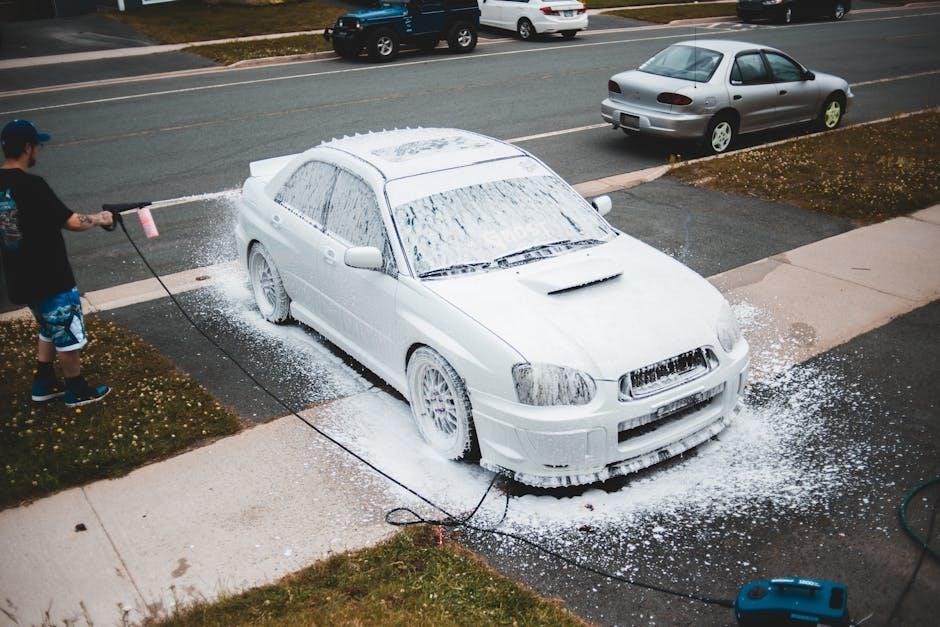
The 25-degree nozzle provides a versatile spray pattern‚ suitable for a wide range of cleaning tasks․ Effectively cleans siding‚ brick‚ and concrete surfaces without causing excessive damage․ It’s a good choice for washing cars‚ boats‚ and patio furniture․ Offers a balance between cleaning power and surface protection‚ making it a frequently used option․
40-Degree Nozzle Applications
Utilizing the 40-degree nozzle delivers a wider‚ lower-pressure spray‚ ideal for delicate surfaces․ This nozzle is excellent for cleaning painted surfaces‚ windows‚ and even vehicles‚ minimizing the risk of damage․ It’s also suitable for rinsing away loose debris before applying detergents․ Provides a gentler cleaning action‚ perfect for sensitive materials․
Maintenance and Care
Regular maintenance ensures your Ryobi pressure washer’s longevity and optimal performance․ Cleaning after each use prevents buildup and corrosion․ Proper winter storage is crucial; drain all water to avoid freezing damage․ Inspect hoses and nozzles for wear‚ replacing them as needed․ Consistent care‚ like checking battery health for cordless models‚ guarantees reliable operation․

Cleaning the Pressure Washer
After each use‚ flush the pressure washer with clean water to remove detergent and debris․ Wipe down the exterior with a damp cloth․ Inspect the nozzles for clogs and clear them as needed․ For cordless models‚ ensure the battery compartment is clean and dry․ Regular cleaning prevents buildup‚ corrosion‚ and ensures optimal performance‚ extending the lifespan of your Ryobi tool․
Winter Storage Procedures
Before long-term storage‚ thoroughly flush the pump with pump protector to prevent freezing and corrosion․ Disconnect the water supply and high-pressure hose․ Clean and dry all components‚ including nozzles and the spray gun․ Store the pressure washer in a dry‚ frost-free location․ For battery-powered models‚ remove the battery and store it separately‚ following battery storage guidelines․
Troubleshooting Common Issues
If the pressure washer fails to start‚ check the power source‚ battery connection (for cordless models)‚ and ensure the safety lock is engaged․ Low water pressure can stem from a clogged nozzle‚ kinked hose‚ or insufficient water supply․ Inspect and clean all connections․ Persistent issues may indicate a pump problem requiring professional attention․
Pressure Washer Won’t Start
Confirm a stable power supply and a fully charged battery for cordless models․ Verify the safety lock is correctly engaged‚ as this prevents accidental activation․ Inspect the power cord for damage․ If using an extension cord‚ ensure it’s appropriately rated․ A tripped circuit breaker should also be checked and reset if necessary before further attempts․
Low Water Pressure
Check the water supply connection‚ ensuring it’s fully open and the hose isn’t kinked or blocked․ Clean the water inlet filter to remove any debris restricting flow․ Verify the nozzle isn’t clogged; try a different nozzle to isolate the issue․ Air in the pump can also cause low pressure; trigger the gun to purge air․
Replacing Parts
Maintaining your Ryobi pressure washer involves occasional part replacement․ Finding replacement nozzles is straightforward through Ryobi’s website or authorized retailers․ Replacing the high-pressure hose requires disconnecting the old hose from both the pump and spray gun‚ then securely attaching the new one‚ ensuring a tight fit․ Always disconnect the power source before any repair․

Finding Replacement Nozzles
Locating replacement nozzles for your Ryobi pressure washer is easily achieved․ Ryobi’s official website provides a comprehensive catalog of compatible nozzles‚ categorized by spray pattern and application․ Authorized Ryobi retailers‚ including hardware stores and online marketplaces‚ also stock a wide selection․ Ensure the nozzle type matches your intended cleaning task for optimal performance and safety․
Replacing the High-Pressure Hose
When replacing the high-pressure hose‚ always disconnect the power source and relieve any remaining pressure․ Carefully detach the old hose from both the pressure washer unit and the spray gun․ Ensure the new hose is the correct length and pressure rating specified for your Ryobi model․ Securely connect both ends‚ verifying a tight fit to prevent leaks during operation․
Ryobi Battery Compatibility (for cordless models)
Ryobi’s One+ system allows broad battery interchangeability across tools․ Understanding amp-hour (Ah) ratings is crucial; higher Ah means longer runtime․ While generic lithium-ion batteries are available‚ users report varying quality․ Ryobi batteries offer guaranteed compatibility and performance‚ though at a premium cost․ Consider your usage needs when choosing batteries․

Understanding Amp-Hour Ratings
Amp-hour (Ah) ratings indicate a battery’s capacity – essentially‚ how long it can deliver power․ A higher Ah rating translates to extended runtime before needing a recharge․ For example‚ a 5Ah battery will generally power a tool longer than a 4Ah battery․ Consider the demands of your pressure washing tasks when selecting appropriate Ah ratings for optimal performance․
Using Third-Party Batteries
While Ryobi’s One+ system is designed for optimal performance with Ryobi batteries‚ users explore compatible third-party options to reduce costs․ Adapters exist to utilize other brands with Ryobi tools․ However‚ be aware that using non-Ryobi batteries may void your warranty and potentially affect tool performance or longevity․ Research compatibility carefully before making a purchase․
Ryobi Tool Ecosystem Integration
Ryobi’s One+ system is a significant advantage‚ allowing users to share batteries across a wide range of tools – from mowers and trimmers to power washers and framing guns․ This reduces costs and clutter‚ as one battery can power numerous devices․ The expanding ecosystem provides convenience and value for homeowners tackling diverse projects․
One+ Battery System Benefits
The Ryobi One+ system delivers substantial cost savings by eliminating the need for multiple chargers and batteries for each tool․ Users appreciate the convenience of a single battery powering various devices‚ like trimmers‚ mowers‚ and pressure washers․ This interoperability simplifies ownership and reduces electronic waste‚ making it an environmentally conscious choice for homeowners․
Compatible Ryobi Tools
Ryobi’s One+ battery platform powers a vast array of tools beyond pressure washers‚ including lawnmowers‚ line trimmers‚ framing guns‚ and transfer pumps․ Users highlight the versatility‚ noting compatibility with edging attachments and even augers; This expansive ecosystem allows homeowners to build a comprehensive toolkit with a single battery source‚ maximizing convenience and value․
Comparing Ryobi Pressure Washers
Ryobi offers both electric and gas-powered pressure washers‚ catering to diverse needs․ Electric models‚ like the 4Ah mower‚ are praised for their reliability and ease of use‚ ideal for home users․ Gas models provide higher pressure‚ suitable for tougher jobs․ Consider pressure ratings carefully; selecting the right power level ensures optimal cleaning performance for various surfaces and tasks around your property․
Electric vs․ Gas Models
Ryobi electric pressure washers excel in convenience and reduced maintenance‚ mirroring the positive experiences with their 4Ah mower․ Gas-powered units deliver superior cleaning power for demanding tasks‚ though they require more upkeep․ Electric models are quieter and produce zero emissions‚ making them eco-friendly․ Gas models offer portability without cord limitations‚ ideal for larger properties or remote locations․
Different Pressure Ratings
Ryobi pressure washers come in varying PSI (pounds per square inch) ratings‚ influencing cleaning capability․ Lower PSI models suit lighter tasks like washing cars‚ while higher PSI units tackle stubborn grime on driveways and siding․ Consider the typical cleaning jobs; a homeowner might prioritize cost-effectiveness with a mid-range model․ Higher ratings demand caution to avoid surface damage‚ mirroring trimmer line considerations․
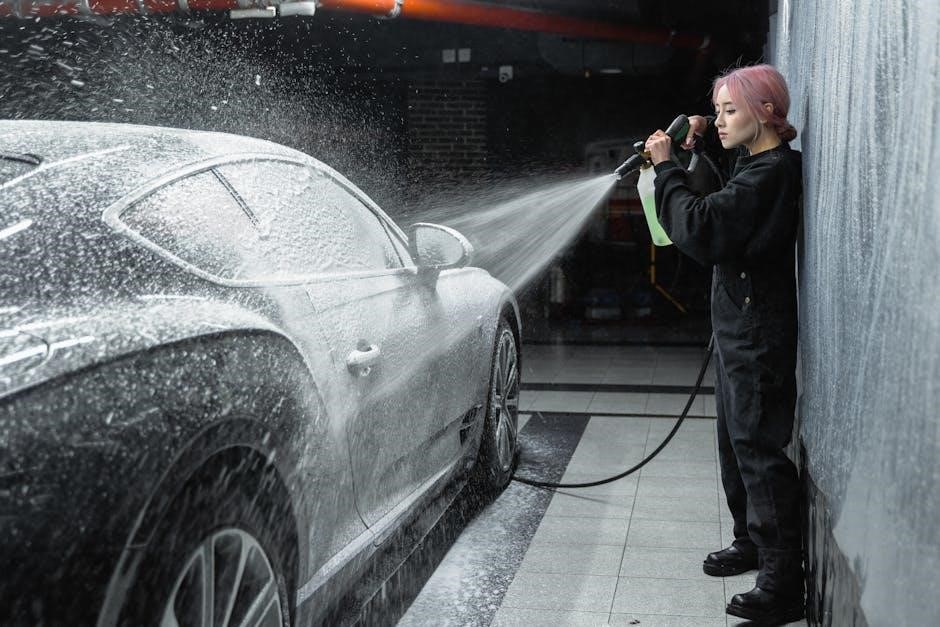
Ryobi Pressure Washer Accessories
Ryobi offers accessories to expand pressure washer versatility․ Surface cleaners efficiently clean flat areas like patios‚ while detergent applicators enhance cleaning power․ Users discuss adapting tools – similar to converting batteries – showcasing a desire for expanded functionality․ These additions‚ like trimmer attachments‚ boost performance for specific tasks‚ mirroring the value found in their broader tool ecosystem․
Surface Cleaners
Ryobi surface cleaners dramatically improve cleaning efficiency on patios‚ driveways‚ and decks․ These attachments utilize rotating spray bars for even cleaning‚ preventing streaking․ Users appreciate accessories that simplify tasks‚ much like the Ryobi trimmer’s rotating head for edging․ They offer a faster‚ more effective alternative to wand cleaning‚ covering larger areas quickly and consistently‚ enhancing the overall cleaning experience․
Detergent Applicators
Ryobi detergent applicators allow for efficient soap distribution during pressure washing‚ enhancing cleaning power for vehicles‚ siding‚ and more․ Similar to replacing trimmer line annually‚ regular cleaning of the applicator ensures optimal performance․ These applicators adjust soap concentration‚ preventing residue and maximizing cleaning effectiveness․ They complement the pressure washer‚ tackling grime and dirt with specialized cleaning solutions for superior results․
Warranty Information
Ryobi provides warranty coverage on its electric pressure washers‚ protecting against manufacturing defects․ Similar to the reliability reported for Ryobi mowers‚ their warranty aims for customer satisfaction․ Registering your product is crucial for warranty claims‚ ensuring a smooth process․ Coverage details vary by model and region; review your documentation․ Proper maintenance‚ like cleaning‚ may be required to uphold warranty validity․
Ryobi Warranty Coverage
Ryobi’s warranty safeguards against defects in materials and workmanship for a defined period‚ mirroring the dependability users experience with Ryobi tools like trimmers and mowers․ Coverage length differs based on the specific pressure washer model․ The warranty doesn’t cover misuse‚ normal wear‚ or unauthorized repairs․ Retain your proof of purchase for claim submission․ Review the full warranty statement for complete details and limitations․
Registering Your Product
Registering your Ryobi pressure washer unlocks benefits like warranty validation and exclusive offers‚ enhancing your ownership experience similar to the satisfaction users find with Ryobi’s diverse tool range․ Registration confirms your purchase date and contact information․ Visit Ryobi’s official website to locate the registration form․ Keep your purchase receipt handy‚ as you’ll need information from it during the process․ It’s a simple step for peace of mind!